

Frequently Asked Questions
What height should a grab bar be installed at?
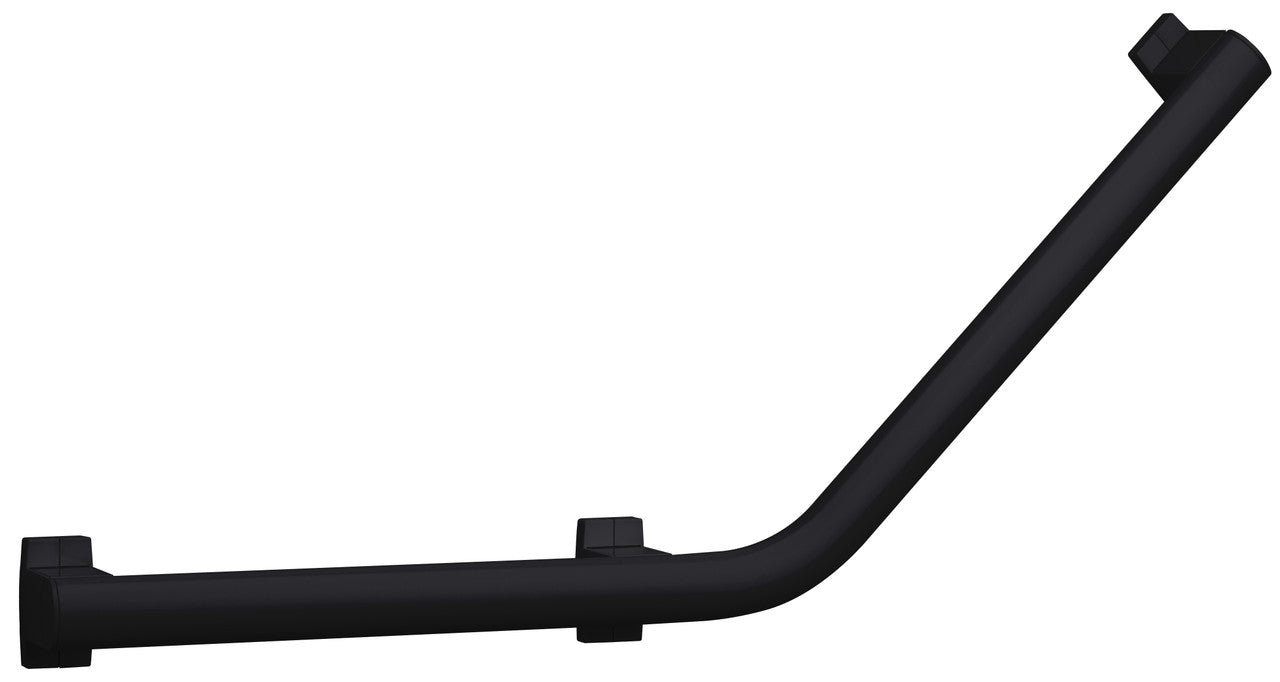
Under ADA Standards, grab bars near a toilet are mounted with the top of the gripping surface 33–36 inches above the floor, and most installers use that same range for shower and tub grab bars even where ADA doesn't legally apply, since it matches average adult reach.
How much weight can a grab bar hold?
ADA requires grab bars to withstand 250 lbs of force, applied vertically or horizontally, at any point on the bar, its fasteners, mounting hardware, or the wall structure behind it. That figure is the industry benchmark quality grab bars are engineered and tested against.
Do grab bars need to be screwed into wall studs?
Yes for reliable support — a grab bar is only as strong as what it's bolted to. If studs don't line up with the mounting holes, installers use wall blocking or heavy-duty, load-rated anchors engineered for the full force requirement; standard plastic drywall anchors are not adequate.
What's the difference between a grab bar and a towel bar?
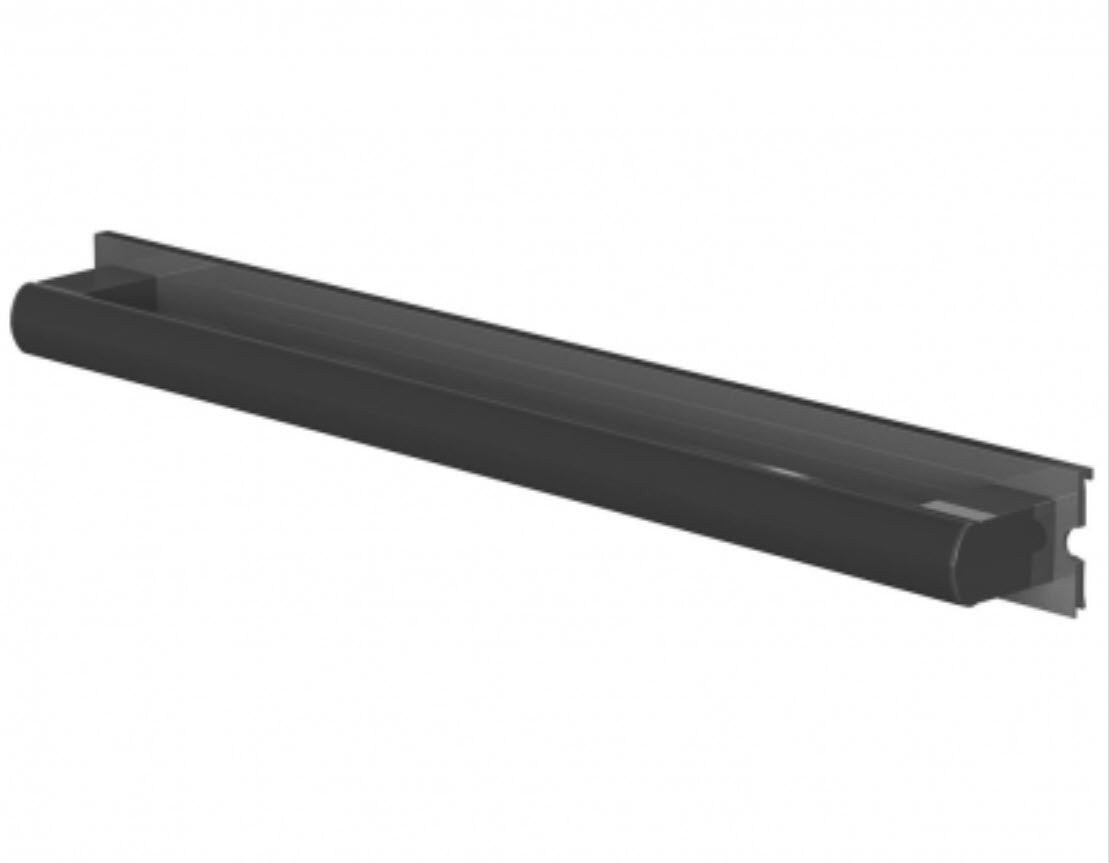
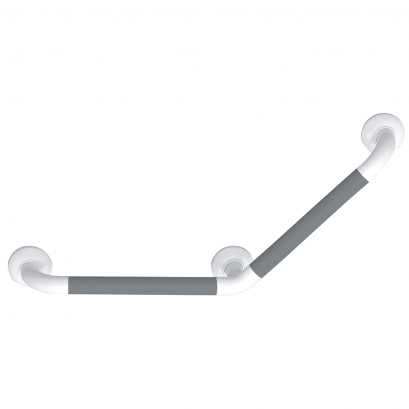
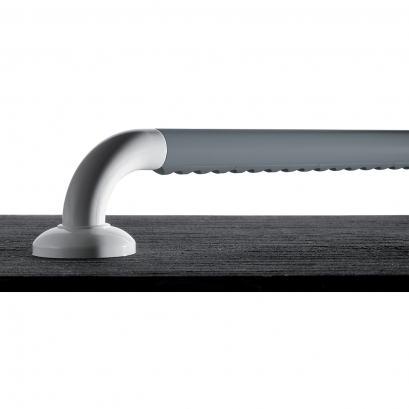
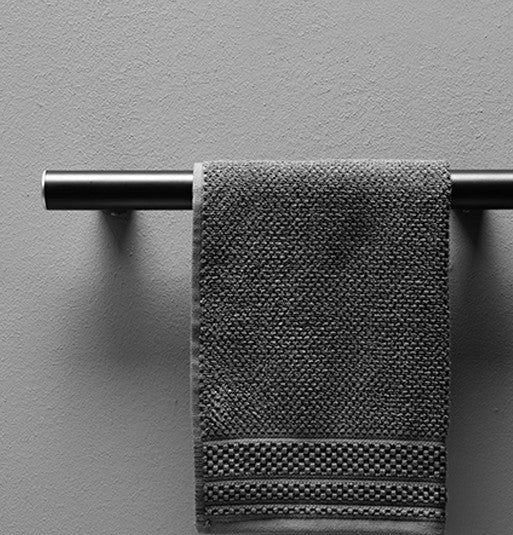
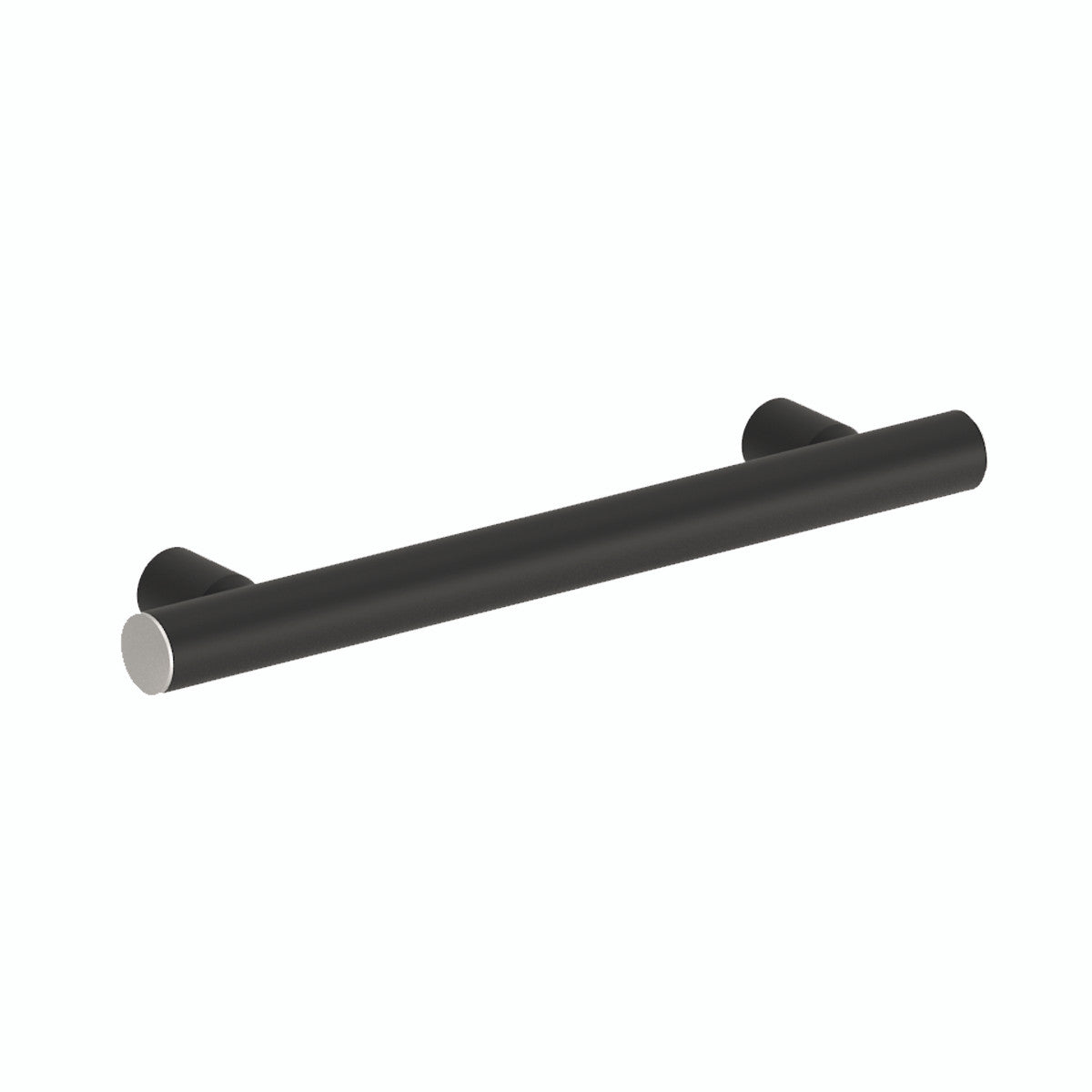
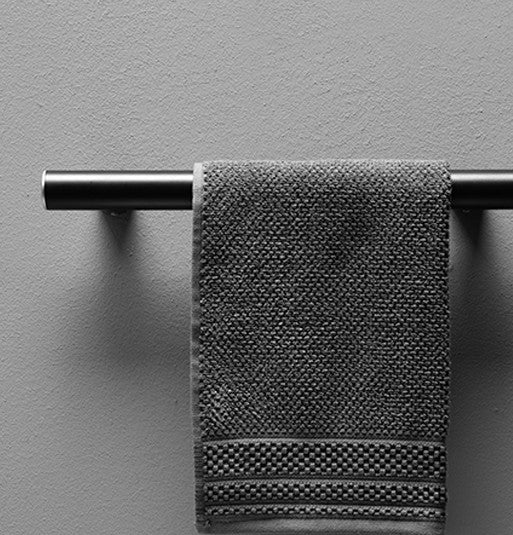
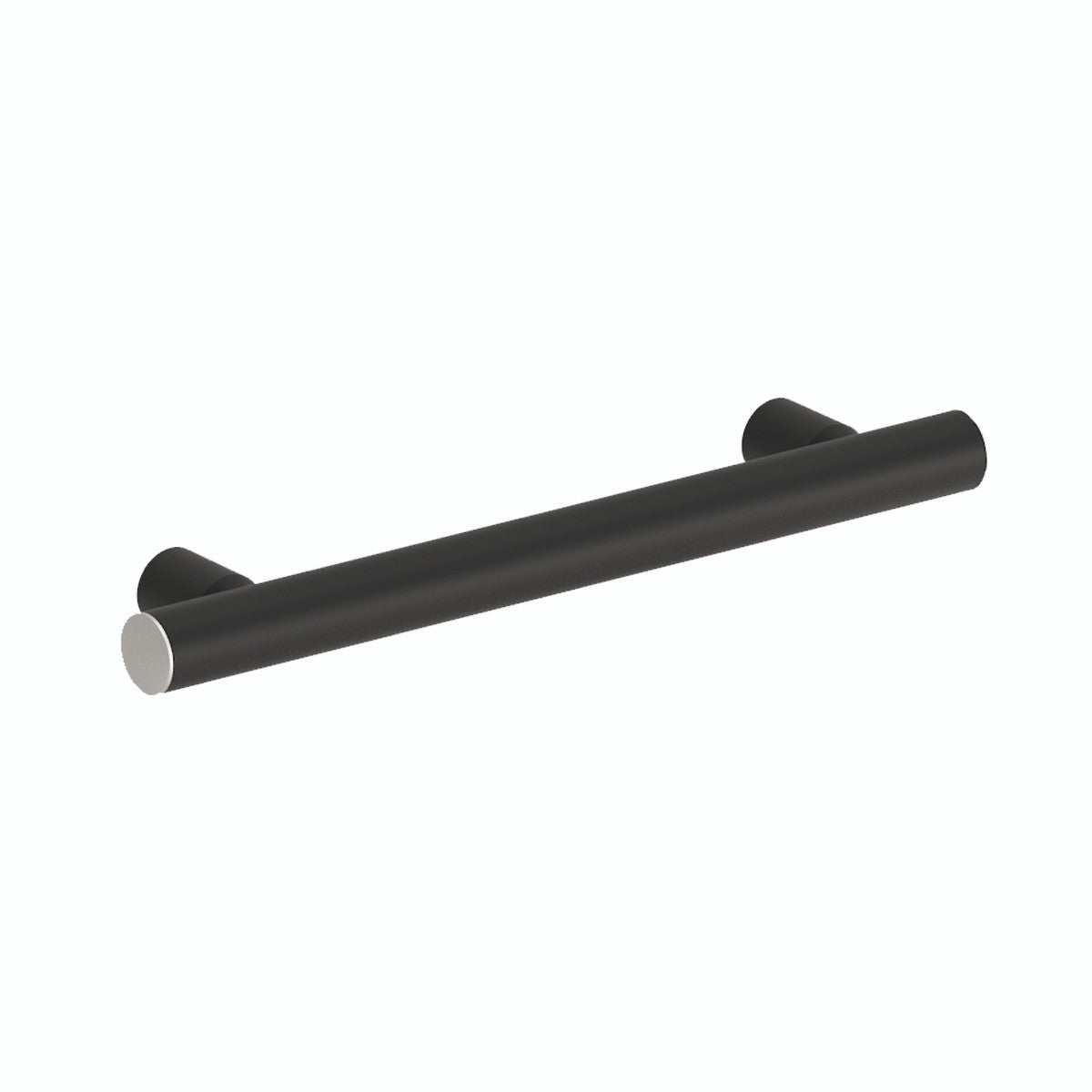
Towel bars are decorative hardware with no structural load rating and aren't designed or tested to bear body weight. Grab bars are structurally rated products meant to be anchored into studs or blocking specifically to support a person's full weight.
Are decorative, wood-look grab bars as safe as the white or stainless hospital-style ones?
Yes, as long as the bar itself is rated for the same structural load and installed into studs or blocking — ADA and building codes govern height, diameter, and load capacity, not finish or material. Decorative grab bars exist precisely because safety hardware doesn't have to look institutional to meet the same standard.
Are grab bars covered by Medicare or insurance?
Medicare's published list of covered durable medical equipment does not include grab bars, so they're typically an out-of-pocket cost. Some state Medicaid waivers, VA home-modification grants, or FSA/HSA funds may cover them — check directly with the specific program.
EcoDecors & DecoTeak
The Complete Wood & Teak Care Guide
What to use, in what order, and how often — so your teak keeps its golden glow for years.
Your teak shower bench, cutting board, or outdoor furniture ships with a protective factory finish. Like any natural hardwood, that finish needs a little ongoing care to stay water-resistant and keep its rich color. The good news: it only takes a few minutes, and there are just a handful of products doing the heavy lifting. Here’s exactly how they work together.
Your Care Lineup

1. Loveable® Teak & Bamboo Furniture Cleaner (32 oz)
Your everyday cleaner. pH-neutral, EPA Safer Choice, lemongrass scent. Lifts soap scum without stripping the finish.
$24.98

2. Loveable® Teak & Wood Protective Oil (24 oz)
Feeds and moisturizes the wood, restoring the deep golden-honey color once the finish starts looking dry or dull.
$24.98

3. Loveable® Teak Protexion™ Sealer (16 oz)
Applied after oiling. Forms a barrier against moisture, mold and mildew. Dries in about an hour.
$24.98

4. Loveable® 2-in-1 Cleaner & Brightener Gel (1 L)
Outdoor/marine-strength gel. Strips old finish, gray weathering, tannin and rust stains — the prep step before re-oiling badly weathered wood.
$39.98 (2-pack)

5. Loveable® Mold Stain Remover (32 oz)
Enzyme-based spot treatment. Spray, wait 5 minutes, rinse. No harsh chemicals or fumes.
$9.98

6. Loveable® Plastic & Shower Furniture Cleaner (32 oz)
For non-wood pieces — caddies, mats, plastic accessories, tub and shower surfaces. Ocean breeze scent.
$19.95
Routine 1: Everyday Care for Shower Benches & Indoor Teak
For pieces in your EarthyTeak® or Woodland Brown factory finish.
| 1 | Rinse with clean water after every use. Soap and shampoo residue left sitting on teak will slowly break down the finish. |
| 2 | Wash weekly to monthly with Teak & Bamboo Furniture Cleaner. Don’t forget the underside of the seat, where residue collects. |
| 3 | Apply Teak Protective Oil once the finish looks dry, pale or dull. This re-moisturizes the wood and revives its color. |
| 4 | Optional — seal it in with Teak Protexion. Applied right after the oil has soaked in, for extra moisture and mildew resistance. |
Routine 2: Restoring Weathered Outdoor Teak
For decks, patio furniture, docks, or any teak that has grayed, dulled, or picked up tannin/rust stains from the elements.
| 1 | Deep-clean with the 2-in-1 Cleaner & Brightener Gel. Strips old finish, weathering, and stains without sanding. Let the wood dry fully. |
| 2 | Nourish with Teak Protective Oil. Restores the golden tone and re-conditions the grain. |
| 3 | Protect with Teak Protexion Sealer. Locks in the oil and shields against rain and humidity. |
| 4 | Maintain with light cleanings using the Teak & Bamboo Cleaner between deep restorations. |
Frequency at a Glance
| Task | How Often | Product |
|---|---|---|
| Rinse | After every use | Clean water |
| Light wash | Weekly to monthly | Teak & Bamboo Furniture Cleaner |
| Oil / feed the wood | As a general guide: every 4–8 weeks outdoors, every 2–3 months indoors — or any time the finish looks dry | Teak Protective Oil |
| Reseal | Each time you oil, or every 2–3 months for pieces exposed to heavy moisture | Teak Protexion Sealer |
| Deep restore | Seasonally, or whenever wood has visibly grayed | 2-in-1 Cleaner & Brightener Gel |
| Mold/mildew spotting | As soon as it appears | Mold Stain Remover |
| Plastic & shower accessories | Weekly | Plastic & Shower Furniture Cleaner |
Two Things Worth Knowing
Save 10% on Oils, Cleaners & Wood Care
Your discount is applied automatically at checkout.
Shop Your 10% Off PageQuestions about your specific finish? Reach us at sales@decoteak.com.

Premium-grade solid teak. Precision laser engraving. Hand-finished for durability and beauty that lasts for years.
- Premium solid teak wood
- Deep precision laser engraving
- Finished and sealed for protection