
Frequently Asked Questions
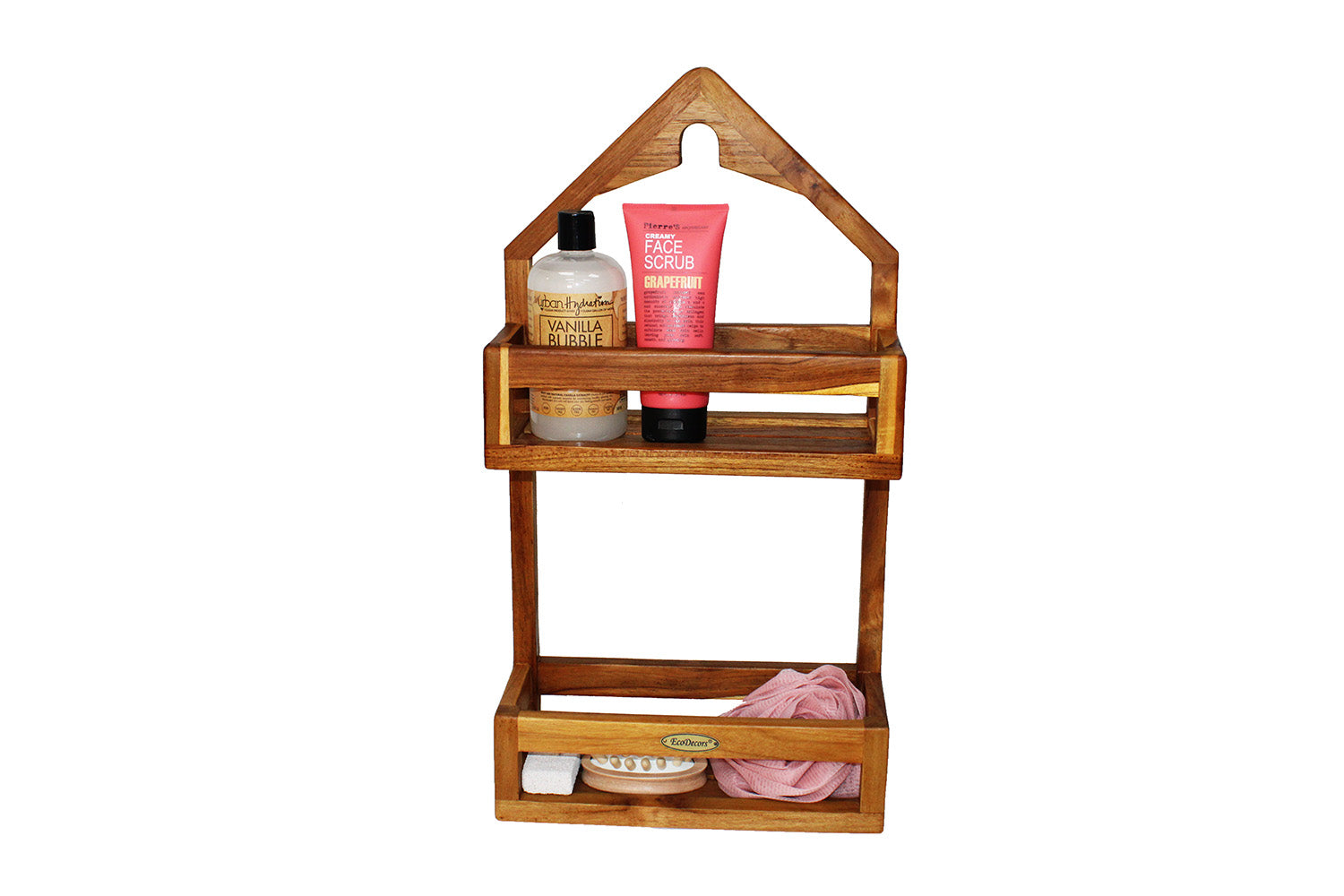
Does a teak shower caddy get moldy?
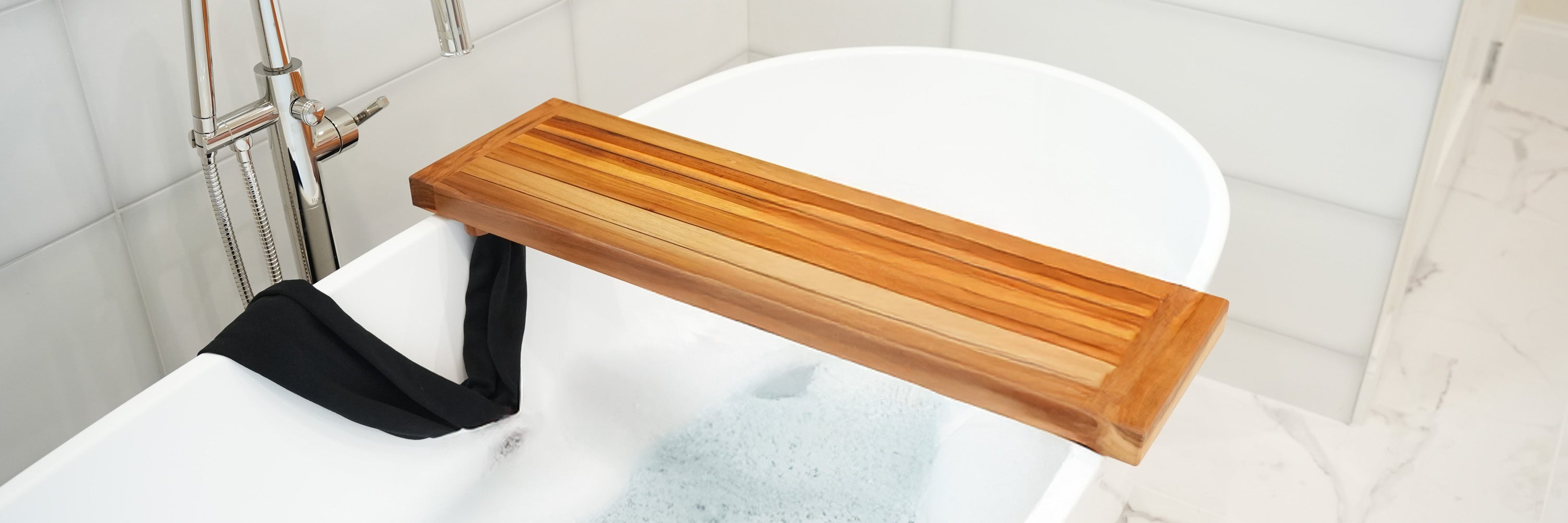
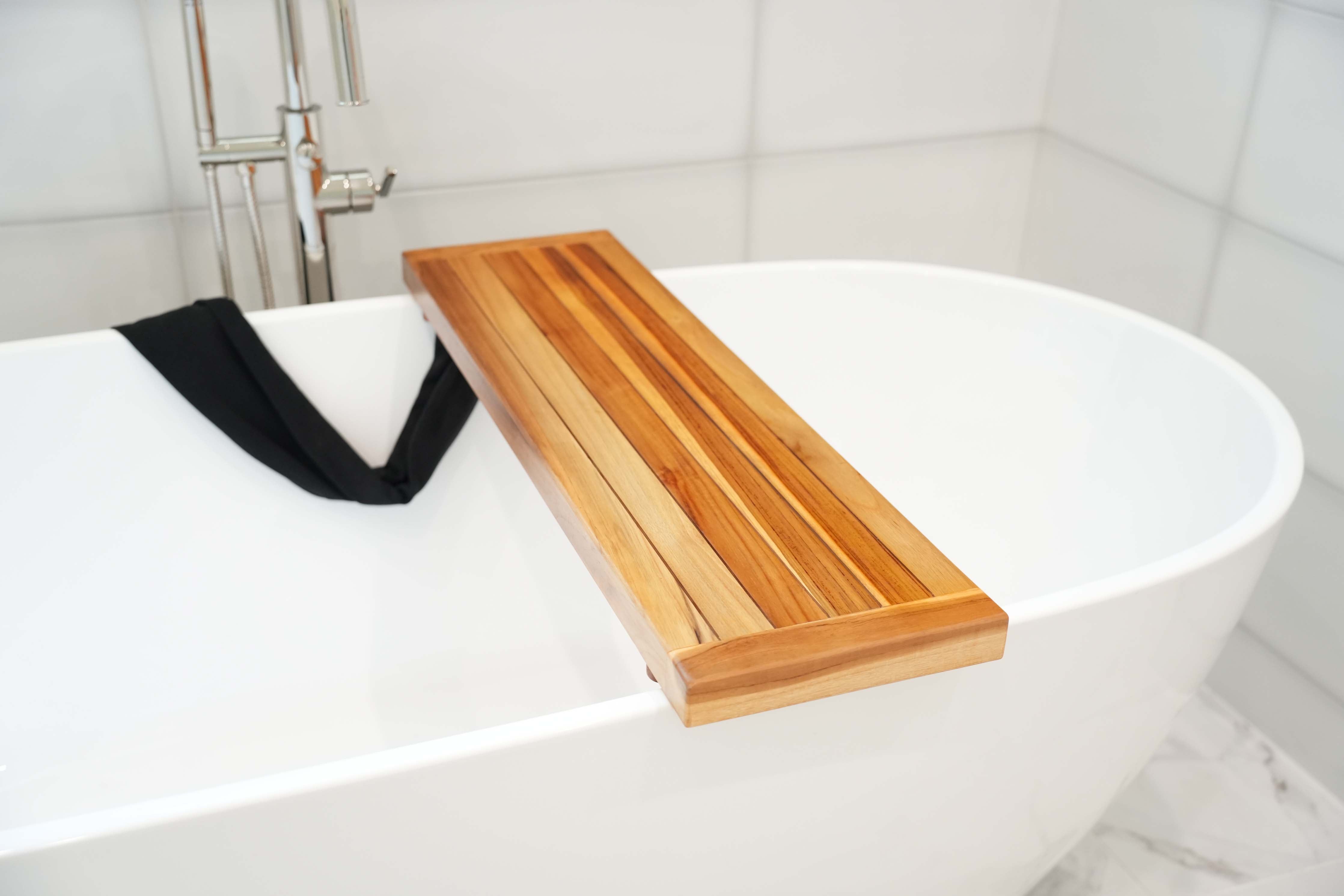
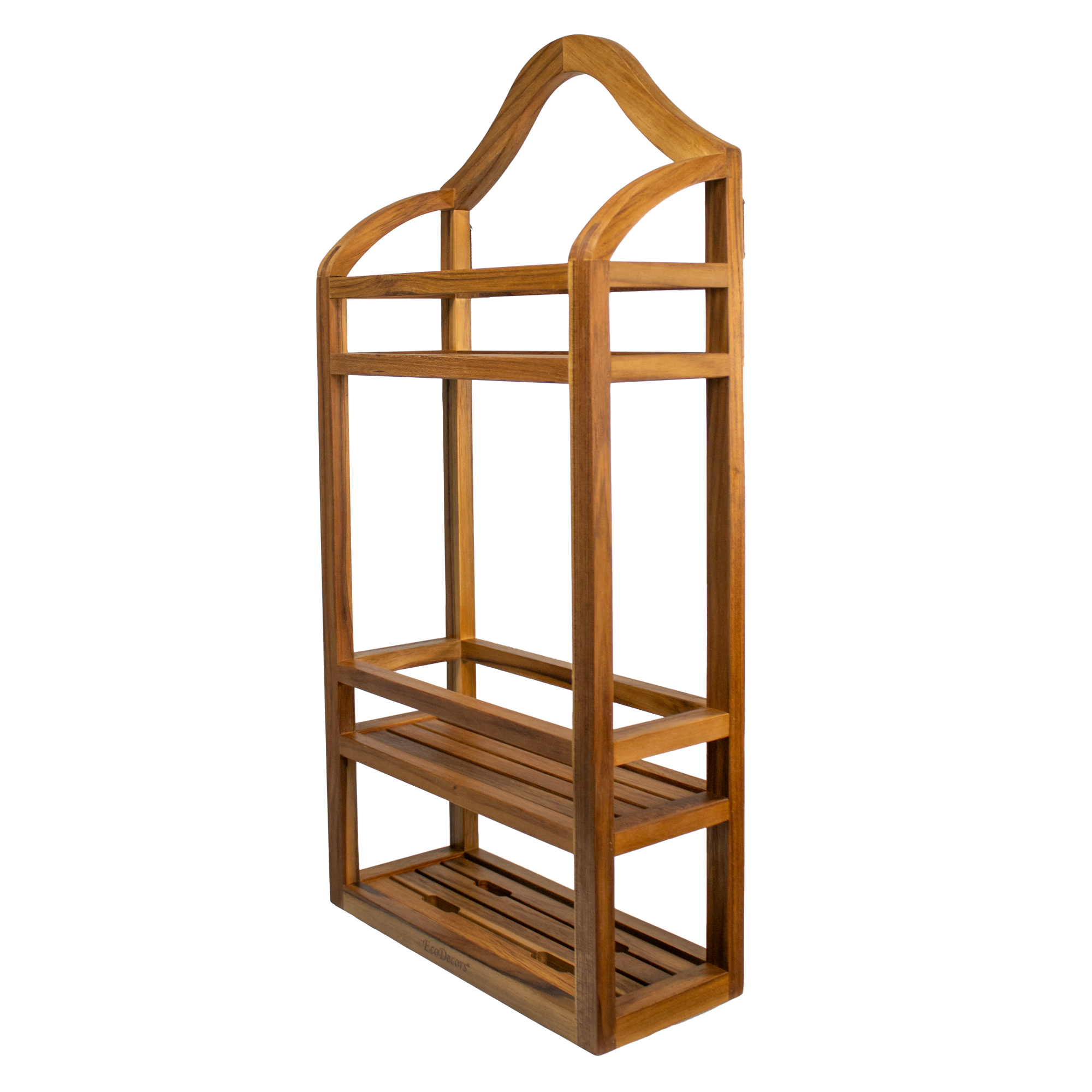
Teak's natural oils and tight grain make it inherently more mold and mildew-resistant than untreated softwood, but any wood left constantly wet can grow surface mold if water pools against it. Slatted, drain-through construction — not the wood species alone — is what actually keeps it dry.
Is a teak shower caddy better than plastic?
Teak outlasts plastic by years to decades and won't crack, yellow, or trap odor in the material the way porous plastic can; plastic is cheaper and needs zero care. It's a durability-and-cost tradeoff, not a safety one.
Why does the caddy have slats instead of a solid shelf?
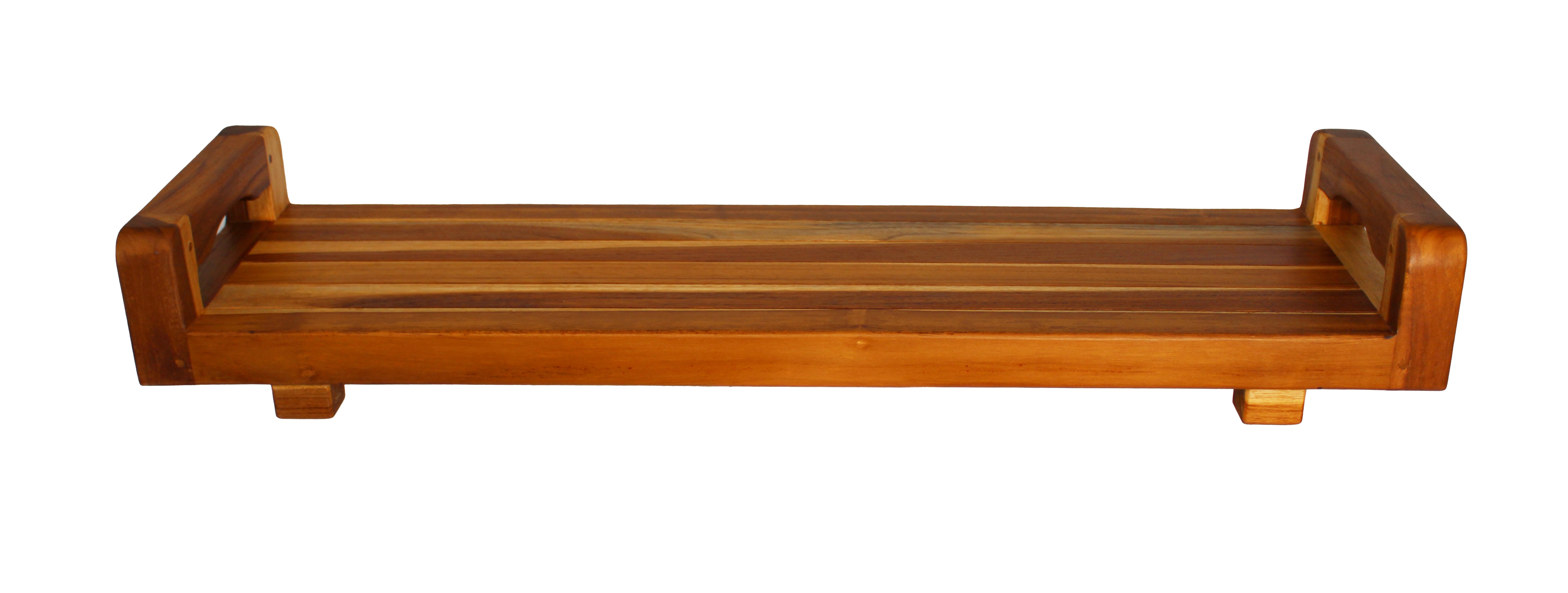
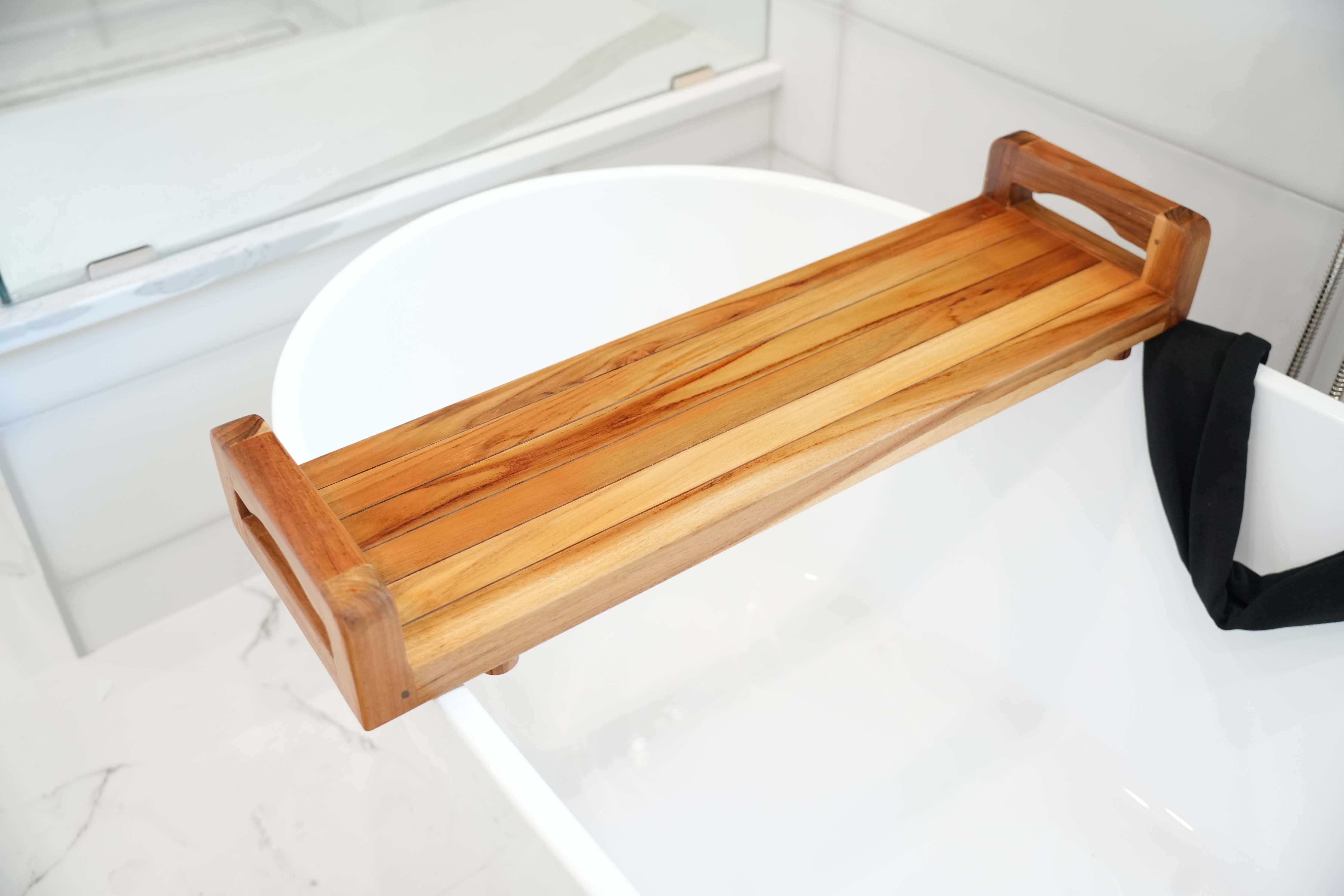
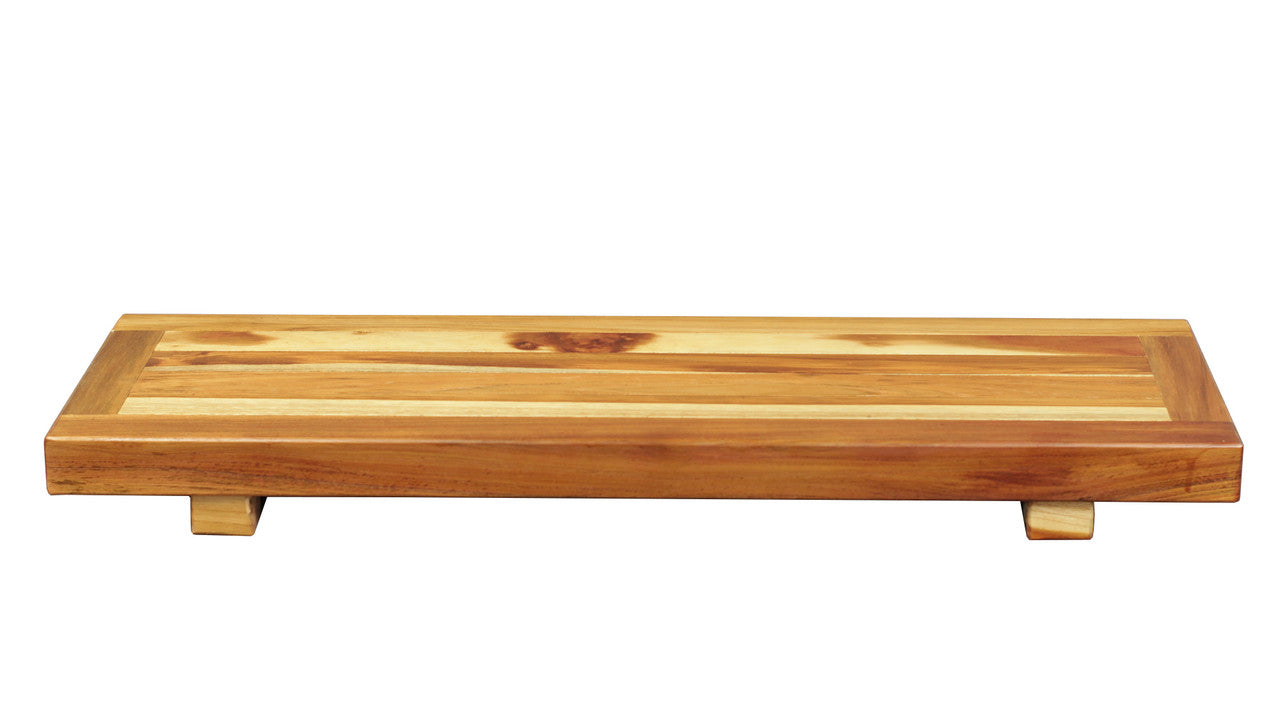
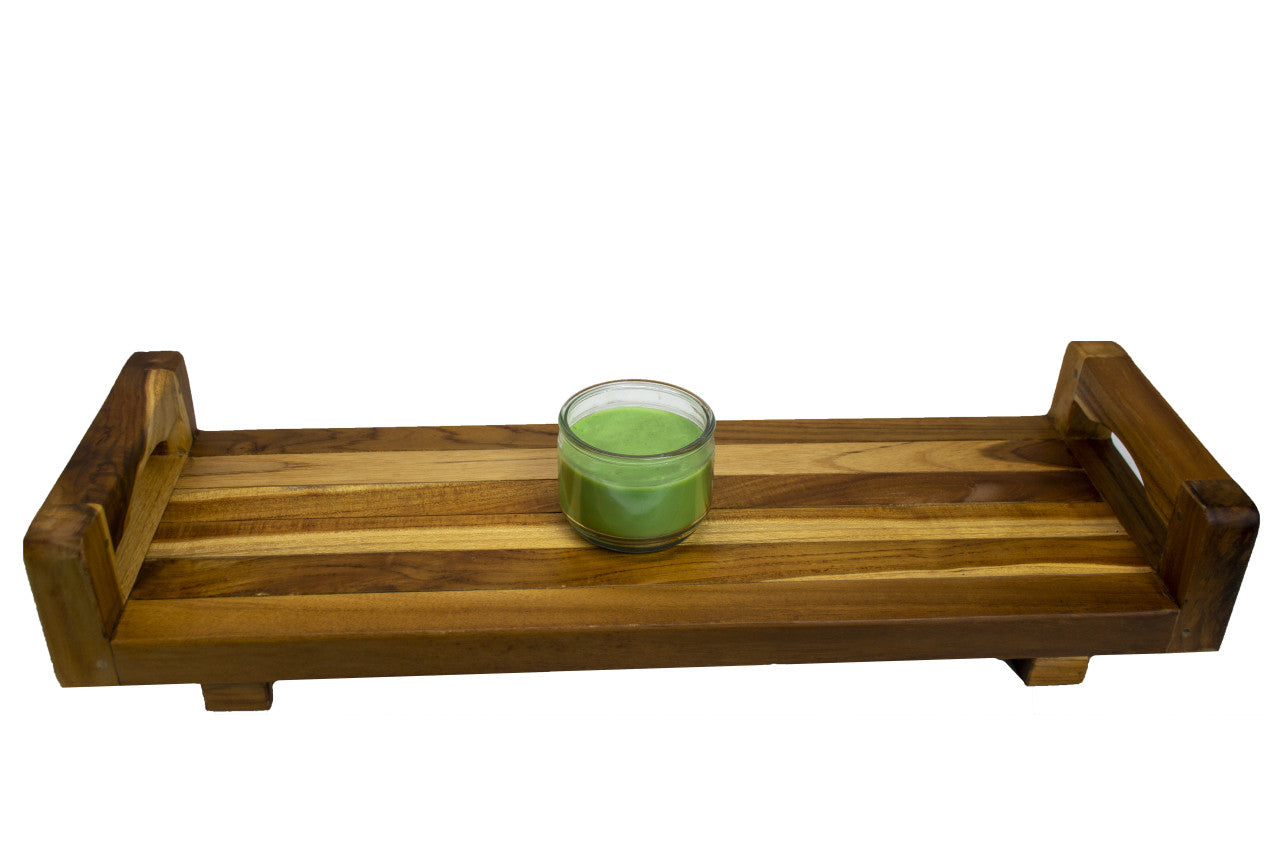
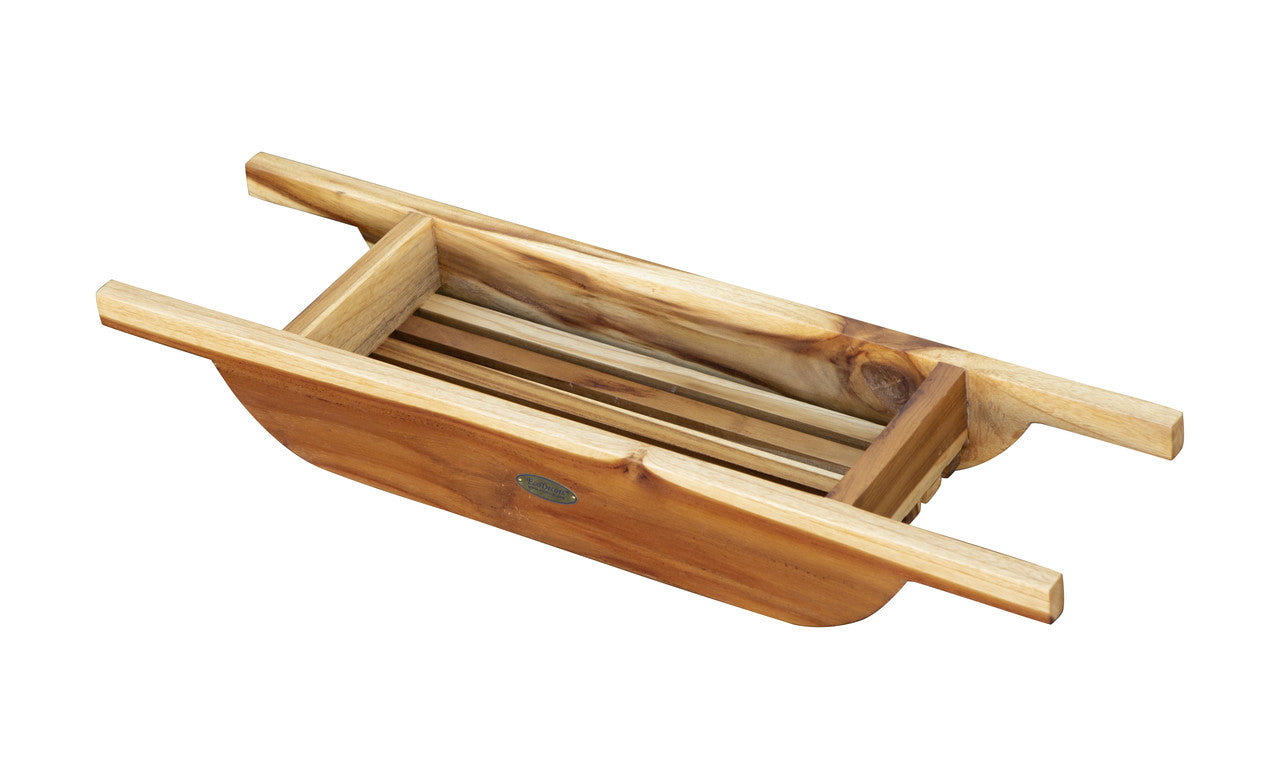
Slats let water drain through and air circulate under items instead of pooling on a flat surface — standing water against wood is what shortens its life, not humidity exposure alone.
Do I need to oil or seal teak for shower use?
No — teak is durable even untreated. Oiling is purely cosmetic, to keep the golden-brown tone; left unsealed in a humid shower, teak weathers to a silvery-gray patina over time, which doesn't affect structural durability.
How do you clean a teak shower caddy?
Plain water and a soft brush or cloth for routine upkeep; avoid bleach and harsh chemical cleaners, which strip teak's natural oils faster than normal water exposure would.
How long does a teak shower caddy last?
With basic care, such as rinsing and avoiding harsh chemicals, indoor teak fixtures commonly run well beyond a decade. Marine teak decking, exposed to far harsher conditions, is rated 20–30 years with maintenance, so an indoor caddy should comfortably outlast plastic equivalents.
EcoDecors & DecoTeak
The Complete Wood & Teak Care Guide
What to use, in what order, and how often — so your teak keeps its golden glow for years.
Your teak shower bench, cutting board, or outdoor furniture ships with a protective factory finish. Like any natural hardwood, that finish needs a little ongoing care to stay water-resistant and keep its rich color. The good news: it only takes a few minutes, and there are just a handful of products doing the heavy lifting. Here’s exactly how they work together.
Your Care Lineup

1. Loveable® Teak & Bamboo Furniture Cleaner (32 oz)
Your everyday cleaner. pH-neutral, EPA Safer Choice, lemongrass scent. Lifts soap scum without stripping the finish.
$24.98

2. Loveable® Teak & Wood Protective Oil (24 oz)
Feeds and moisturizes the wood, restoring the deep golden-honey color once the finish starts looking dry or dull.
$24.98

3. Loveable® Teak Protexion™ Sealer (16 oz)
Applied after oiling. Forms a barrier against moisture, mold and mildew. Dries in about an hour.
$24.98

4. Loveable® 2-in-1 Cleaner & Brightener Gel (1 L)
Outdoor/marine-strength gel. Strips old finish, gray weathering, tannin and rust stains — the prep step before re-oiling badly weathered wood.
$39.98 (2-pack)

5. Loveable® Mold Stain Remover (32 oz)
Enzyme-based spot treatment. Spray, wait 5 minutes, rinse. No harsh chemicals or fumes.
$9.98

6. Loveable® Plastic & Shower Furniture Cleaner (32 oz)
For non-wood pieces — caddies, mats, plastic accessories, tub and shower surfaces. Ocean breeze scent.
$19.95
Routine 1: Everyday Care for Shower Benches & Indoor Teak
For pieces in your EarthyTeak® or Woodland Brown factory finish.
| 1 | Rinse with clean water after every use. Soap and shampoo residue left sitting on teak will slowly break down the finish. |
| 2 | Wash weekly to monthly with Teak & Bamboo Furniture Cleaner. Don’t forget the underside of the seat, where residue collects. |
| 3 | Apply Teak Protective Oil once the finish looks dry, pale or dull. This re-moisturizes the wood and revives its color. |
| 4 | Optional — seal it in with Teak Protexion. Applied right after the oil has soaked in, for extra moisture and mildew resistance. |
Routine 2: Restoring Weathered Outdoor Teak
For decks, patio furniture, docks, or any teak that has grayed, dulled, or picked up tannin/rust stains from the elements.
| 1 | Deep-clean with the 2-in-1 Cleaner & Brightener Gel. Strips old finish, weathering, and stains without sanding. Let the wood dry fully. |
| 2 | Nourish with Teak Protective Oil. Restores the golden tone and re-conditions the grain. |
| 3 | Protect with Teak Protexion Sealer. Locks in the oil and shields against rain and humidity. |
| 4 | Maintain with light cleanings using the Teak & Bamboo Cleaner between deep restorations. |
Frequency at a Glance
| Task | How Often | Product |
|---|---|---|
| Rinse | After every use | Clean water |
| Light wash | Weekly to monthly | Teak & Bamboo Furniture Cleaner |
| Oil / feed the wood | As a general guide: every 4–8 weeks outdoors, every 2–3 months indoors — or any time the finish looks dry | Teak Protective Oil |
| Reseal | Each time you oil, or every 2–3 months for pieces exposed to heavy moisture | Teak Protexion Sealer |
| Deep restore | Seasonally, or whenever wood has visibly grayed | 2-in-1 Cleaner & Brightener Gel |
| Mold/mildew spotting | As soon as it appears | Mold Stain Remover |
| Plastic & shower accessories | Weekly | Plastic & Shower Furniture Cleaner |
Two Things Worth Knowing
Save 10% on Oils, Cleaners & Wood Care
Your discount is applied automatically at checkout.
Shop Your 10% Off PageQuestions about your specific finish? Reach us at sales@decoteak.com.

Premium-grade solid teak. Precision laser engraving. Hand-finished for durability and beauty that lasts for years.
- Premium solid teak wood
- Deep precision laser engraving
- Finished and sealed for protection